
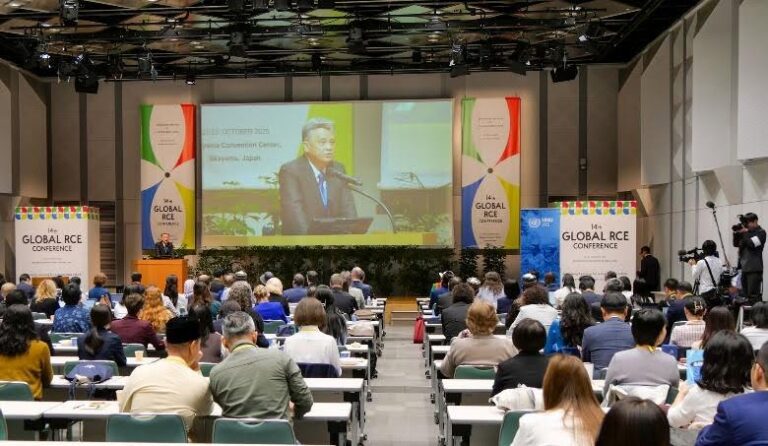
Okayama, Japan | October 2025
From 21–23 October 2025, global leaders, educators, youth representatives, and sustainability practitioners gathered in Okayama, Japan, for the 14th Global Conference of Regional Centres of Expertise (RCEs) on Education for Sustainable Development (ESD). The conference marked a significant milestone: the 20th anniversary of the Global RCE Network, celebrating two decades of collective learning, innovation, and locally driven action for sustainable development.
The event brought together more than 260 participants from across the world, creating a dynamic platform for knowledge exchange, partnership-building, and reflection on the evolving role of education in addressing global sustainability challenges.
Celebrating 20 Years of the Global RCE Network
The conference opened with reflections from prominent global and local leaders. Tshilidzi Marwala, Rector of the United Nations University (UNU), highlighted the role of RCEs as catalysts for systemic change through community-based learning. Masao Omori, Mayor of Okayama City, shared insights from RCE Okayama’s 20-year journey in embedding sustainability into local governance and education systems. Representing Japan’s Ministry of Environment, Kazutaka Kurobe emphasized the importance of international cooperation in advancing Education for Sustainable Development worldwide.
A key highlight of the opening session was the launch of the commemorative publication Learning, Collaborating and Transforming: The 20th Year Anniversary of the Global RCE Network, presented by Shinobu Yume Yamaguchi, Director of UNU-IAS. The publication documents the evolution of the RCE movement and underscores its growing relevance in addressing complex sustainability challenges.
Keynotes, Youth Leadership, and Community Innovation
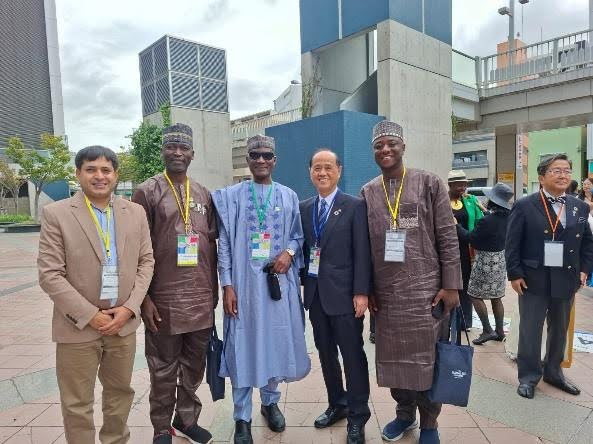
The conference featured inspiring keynote addresses that set the tone for future-oriented dialogue. Prof. Dzulkifli Abdul Razak, a pioneer of the RCE movement, introduced the concept of “communiversities”—inclusive learning spaces that bridge academic knowledge with community-led action. Her Royal Highness Princess Abze Djigma highlighted the importance of lifelong learning grounded in equity, resilience, and local wisdom.
Across plenary sessions and thematic breakouts, participants explored topics including education policy, pedagogy, youth leadership, digital transformation, and community innovation. Regional youth coordinators shared impactful initiatives from their regions, reinforcing the critical role of young people in shaping sustainable futures.
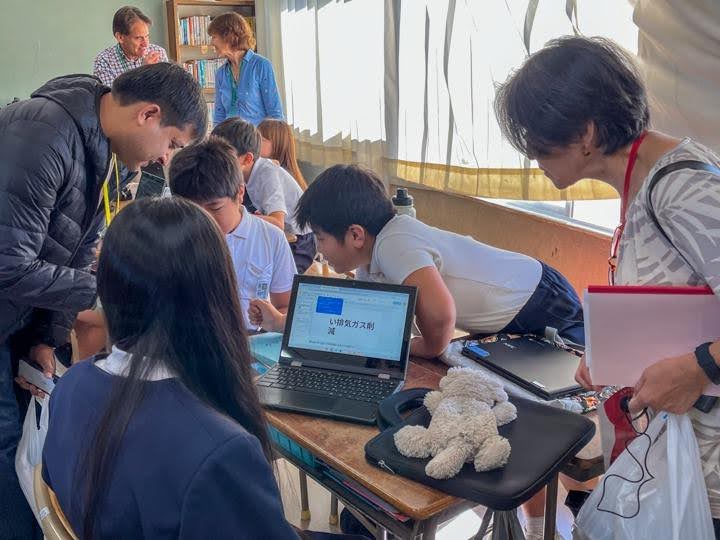
The conference concluded with field visits to Kyokuso Elementary School, Okayama University, and a kominkan (community learning centre), offering participants practical insights into how ESD principles are integrated into everyday learning environments in Japan.
The gathering culminated in the adoption of the 2025 Okayama Declaration: RCEs’ Collective Commitment for Sustainable Futures, reaffirming education as a cornerstone of systemic transformation.
RCE Kathmandu Joins the Global Network
Among the participants was RCE Kathmandu, one of the newest members of the Global RCE Network. Established through collaboration among 11 institutions—including Kathmandu University, UNESCO Office Kathmandu, Wildlife Conservation Nepal (WCN), and several academic, civil society, and private-sector partners—RCE Kathmandu aims to integrate education, environmental stewardship, and entrepreneurship.
As an emerging RCE, Kathmandu is focused on advancing ESD through academic collaboration, community-led initiatives, and youth-driven action, contributing Nepal’s perspectives and experiences to the global learning network.
Linking Circular Economy and Education for Sustainable Development
The conference also provided a valuable platform to highlight the intersection of Education for Sustainable Development (ESD) and the Circular Economy (CE). This connection strongly aligns with the work of Wildlife Conservation Nepal (WCN) through the Roots of Circularity (RoC) project.
Developed by the Impact Hub Association, in collaboration with Impact Hub Kathmandu and WCN, the Roots of Circularity initiative promotes circular economy principles across Nepal’s Bagmati and Lumbini Provinces. The project engages civil society organisations, MSMEs, academia, policymakers, and media to foster systems thinking, multi-stakeholder collaboration, and policy advocacy.
WCN also serves as the Secretariat of Green Alliance Nepal (GAN), a national alliance supporting dialogue and coordinated action to advance circular economy practices nationwide. The emphasis on participatory learning, youth engagement, and local innovation at the Global RCE Conference closely mirrored the objectives of the Roots of Circularity initiative, highlighting ESD and CE as complementary pathways toward a low-carbon, regenerative future.
Looking Ahead
The Global RCE Conference 2025 reaffirmed a central message: education is not just a tool for sustainability, it is its foundation. By aligning Education for Sustainable Development with Circular Economy principles, new opportunities emerge where learning translates into action and collaboration drives innovation.
Through the growing work of RCE Kathmandu and initiatives such as Roots of Circularity, stakeholders in Nepal are strengthening their commitment to collaborative learning, systems change, and inclusive development—contributing to a more resilient, sustainable, and equitable future at both national and global levels.